
Severe bleeding first aid is one of the most critical lifesaving skills a person can learn.
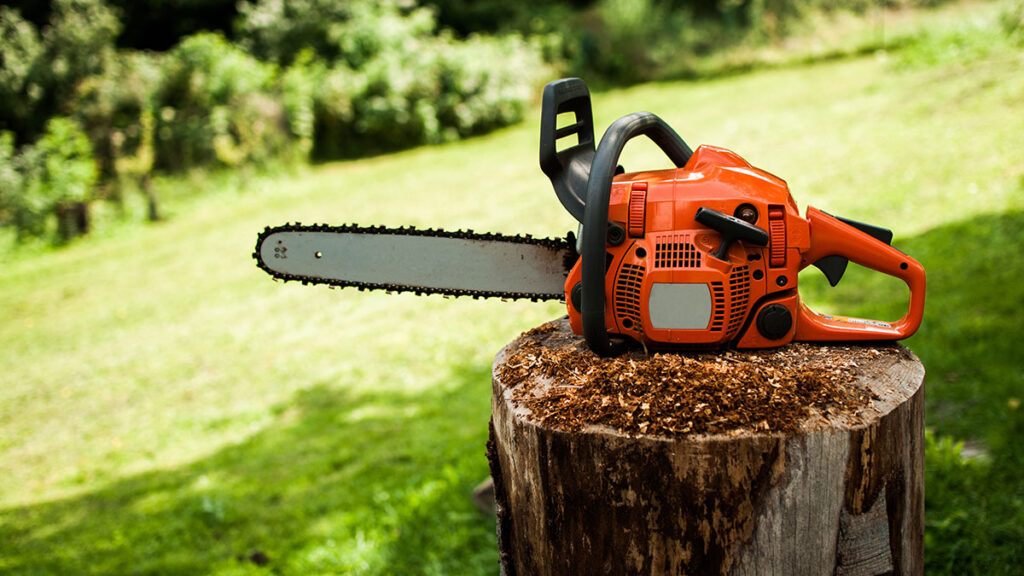
Imagine you’re working in your garage when you hear a blood-curdling scream outside. You rush out to find your neighbor on the ground, clutching his leg. A chainsaw lies next to him—and there’s a deep gash in his thigh, spurting blood.
What do you do next?
“The fate of the wounded rests in the hands of the one who applies the first dressing.”
–Nicholas Senn
In that moment, you are that person.
Early recognition and treatment of severe bleeding is critical to your neighbor’s survival. A person with life-threatening bleeding can lose enough blood to die in just a few minutes. Your first actions can make the difference between life and death.
Severe Bleeding First Aid: What to Do First
The first line of treatment is direct pressure. This is more than just placing a cloth or dressing over the wound. Take whatever cloth you have and apply firm, direct pressure right over the source of the bleeding.
Remember, it takes time for clots to form—pressure may need to be held continuously for several minutes.
Call for Help Early
Call for help. If you have a phone, call 911. Police, fire, and EMS personnel are trained to manage severe bleeding and the associated shock. Get help on the way early.
As you continue holding pressure, your son hears the commotion and comes outside. You direct him to call 911 and bring your first aid kit.
When Pressure Isn’t Enough: Use a Tourniquet
You are holding pressure—and it’s not working. It’s time to apply a tourniquet.
The first aid kit arrives. You know that every drop of blood is critical. Since direct pressure is not controlling the bleeding, you grab the tourniquet.
You apply it above the wound—high on the thigh—and begin to turn the windlass.
How tight?
Tight enough that the bleeding stops and there is no pulse below the tourniquet.
Your neighbor screams in pain and begs you to stop. Pain is expected when applying a tourniquet—don’t let pain determine when you stop tightening.
The goal is simple: stop the bleeding.
Do Not Remove the Tourniquet
The bleeding has stopped, but your neighbor now complains that the pain from the tourniquet is unbearable and begs you to remove it.
You reassure him that the tourniquet is what is controlling the bleeding—and removing it could cause life-threatening bleeding to start again.
Once applied, a tourniquet should not be loosened or removed in the field. It will be managed by medical professionals at the hospital.
Treat for Shock While You Wait
Your son recently completed a first aid class and remembers that treating for shock is important. He helps your neighbor lie down and places a blanket over him to keep him warm.
You continue to monitor and reassure him, watching for changes while waiting for help to arrive.
A short time later, EMS arrives, takes over care, and transports your neighbor to the hospital.
Why This Training Matters
Situations like this happen quickly, and they don’t wait for professionals to arrive. The actions taken in those first few minutes can make all the difference.
This is why bleeding control training is such a critical part of first aid education. As a content reviewer for the Bleeding chapter in the ECSI Standard First Aid, CPR, and AED (9th Edition), I’ve seen firsthand the emphasis placed on simple, effective actions that anyone can learn.
These situations are rare, but when they happen, the outcome depends heavily on the actions taken before EMS arrives.
With the right training, you don’t have to wonder what to do next—you can act.